From Hanafuda Cards to Switch 2: Nintendo's 134-Year Evolution
Few companies boast a legacy as rich, diverse, and surprising as Nintendo. What began as a small enterprise crafting exquisite playing cards in 19th-century Kyoto has blossomed into a global titan, synonymous with groundbreaking video games and iconic characters. From the delicate artistry of hanafuda cards to the immersive worlds of the Nintendo Switch and its anticipated successor, the Switch 2, Nintendo's 134-year journey is a testament to unwavering innovation, adaptability, and an enduring commitment to the pure joy of play.
The Humble Beginnings: From Hanafuda to Unexpected Diversions
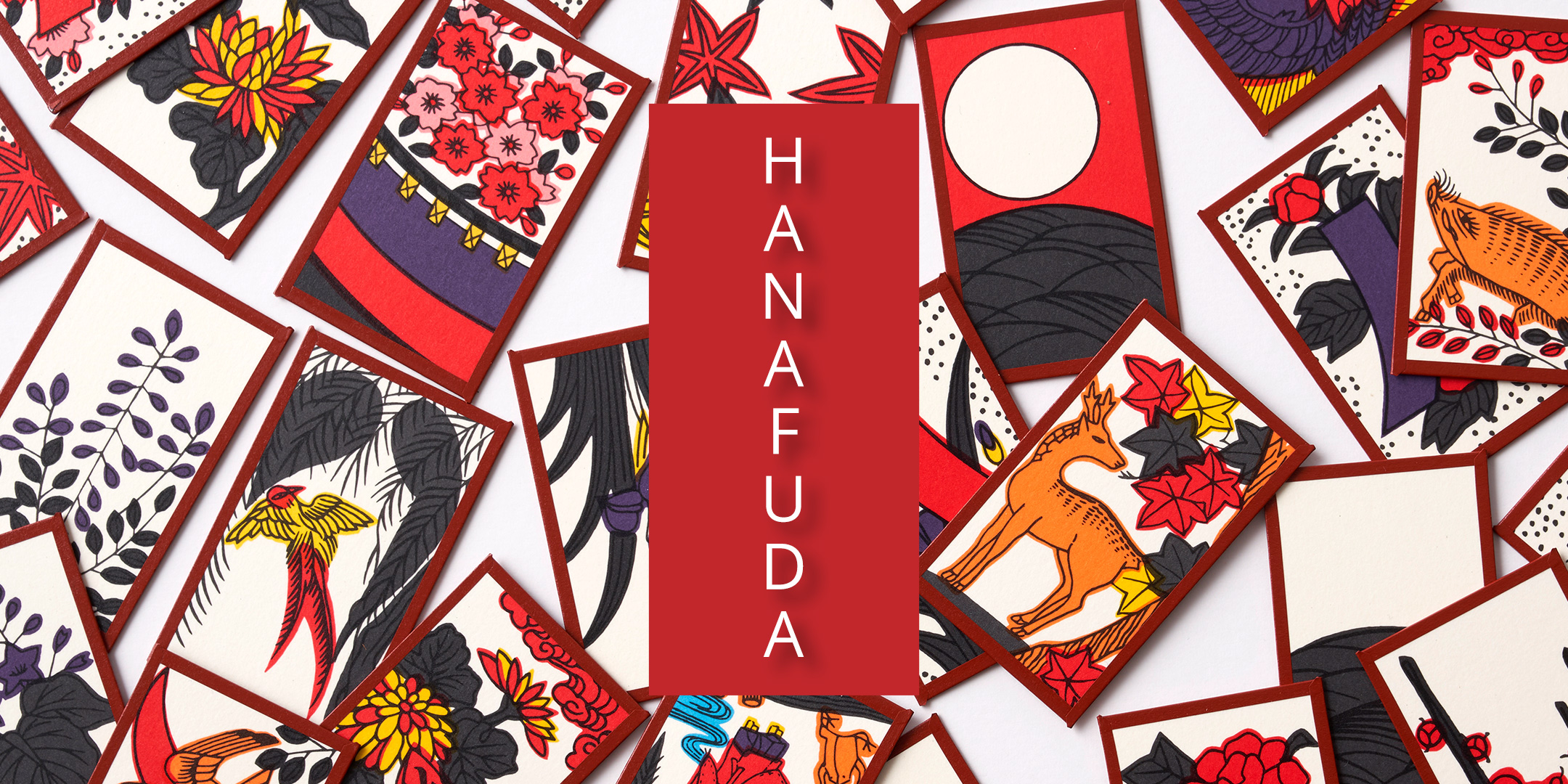
The story of Nintendo Co., Ltd. officially began on September 23, 1889, when Fusajiro Yamauchi established Nintendo Koppai in Kyoto, Japan. His venture was dedicated to producing handmade hanafuda, traditional Japanese flower-themed playing cards. These weren't just any cards; crafted from high-quality mulberry paper, adorned with hand-applied vegetable dyes and protective lacquer finishes, they depicted seasonal flowers, animals, and poetry. They were objects of beauty, designed for matching games and recreational gambling, appealing to a society seeking entertainment during Japan's dynamic Meiji era.
Yamauchi's focus on artisanal quality quickly set Nintendo apart in a competitive market. By the early 1900s, his company had become Japan's leading hanafuda producer, securing nationwide distribution and even partnering with Japan Tobacco in 1907. In a pragmatic move, Nintendo also diversified into Western-style playing cards in 1902, initially for export but soon gaining domestic popularity. This early adaptability would become a defining characteristic of the company.
Under the leadership of Hiroshi Yamauchi, who took the helm in 1949, Nintendo embarked on an astonishing period of diversification. Before fully committing to video games, the company explored a bewildering array of ventures, including taxi services, love hotels, instant rice, and even vacuum cleaners. Most famously, Nintendo delved into toy manufacturing in the 1960s and 1970s, producing everything from baby strollers to electronic light guns. This period, often highlighted in the recently opened Nintendo Museum, showcases a company constantly experimenting, always seeking new avenues for entertainment and consumer products, embodying a spirit of playful invention long before it became a gaming giant.
This relentless experimentation laid the groundwork for Nintendo's eventual pivot to electronics and arcade machines. The release of its first home video game console, the Color TV-Game series, in 1977, marked a crucial turning point, signaling the company's future direction and an innate understanding of burgeoning electronic entertainment.
Rescuing an Industry: The Gaming Revolution Begins
The early 1980s saw the North American video game industry plunge into a severe crash in 1983, a period marked by market saturation, a glut of low-quality titles, and dwindling consumer confidence. It was into this tumultuous landscape that Nintendo launched its groundbreaking console. First released as the Family Computer (Famicom) in Japan in 1983, and then as the Nintendo Entertainment System (NES) internationally in 1985, this console didn't just enter the market; it revitalized it.
Nintendo's strategy was multifaceted. Crucially, it introduced the now-legendary Seal of Quality program. This rigorous certification process ensured that only high-quality, authorized games could be released on the NES, restoring consumer trust and elevating the perception of video games from fleeting fads to legitimate entertainment. This commitment to excellence, combined with innovative hardware and groundbreaking titles, quickly propelled Nintendo to prominence.
The NES became a cultural phenomenon, largely fueled by blockbuster games that would establish enduring franchises. Super Mario Bros., released in 1985, redefined the platformer genre with its vibrant worlds, intuitive controls, and iconic protagonist. Soon after, The Legend of Zelda introduced players to expansive adventure games, while other titles like Metroid and Castlevania solidified Nintendo's reputation as a purveyor of imaginative and compelling experiences.
Nintendo's innovation wasn't limited to the living room. In 1989, the company launched the Game Boy, a monochrome handheld device that revolutionized portable gaming. Its affordability, robust design, and killer app, Tetris, made it an instant global success, cementing the concept of gaming on the go. The subsequent Super Nintendo Entertainment System (SNES) in 1990 further refined 2D gaming, while the Nintendo 64 (N64) in 1996 boldly ushered in the era of 3D gaming with revolutionary titles like Super Mario 64 and The Legend of Zelda: Ocarina of Time, showcasing Nintendo's consistent push for new gameplay paradigms.
Redefining Play: Innovation from Wii to Switch 2
The turn of the millennium saw Nintendo continue its trajectory of innovation. While the GameCube offered powerful graphics, it was often Nintendo's more experimental consoles that truly captured the zeitgeist. The dual-screen, touch-enabled Nintendo DS (2004) reintroduced portable gaming to a new generation, breaking sales records and fostering unique gameplay experiences.
However, it was the Nintendo Wii, launched in 2006, that redefined how millions interacted with video games. Its motion-sensing remote brought gaming to households beyond traditional enthusiasts, attracting families and casual players with titles like Wii Sports. The Wii demonstrated Nintendo's unwavering belief that innovative input methods and accessible fun could trump raw graphical power, broadening the appeal of gaming exponentially. Despite the commercial struggles of its successor, the Wii U, Nintendo learned valuable lessons that would inform its next major triumph.
The culmination of Nintendo's diverse history and innovative spirit arrived in 2017 with the launch of the Nintendo Switch. This hybrid console ingeniously blurred the lines between home console and portable device, offering unparalleled flexibility. Its ability to seamlessly transition from TV play to handheld mode, combined with its Joy-Con controllers, made it a global phenomenon. Exceeding 150 million units sold by late 2024, the Switch cemented its place as one of the best-selling consoles of all time, driven by beloved new entries in franchises like The Legend of Zelda: Breath of the Wild, Pokémon Scarlet and Violet, and Animal Crossing: New Horizons.
Looking ahead, Nintendo continues to push boundaries. The introduction of the Switch 2 in 2025 has already generated immense excitement, achieving 5.82 million units sold in its debut quarter amid strong demand and contributing to quarterly revenue surpassing 572 billion yen. This new console promises to build upon the Switch's successful hybrid formula, offering enhanced experiences while staying true to Nintendo's core philosophy of unique and engaging gameplay.
Throughout its evolution, Nintendo has consistently faced and overcome challenges, from intense competitive pressures to antitrust scrutiny, such as the 1991 U.S. lawsuit concerning resale price maintenance for NES products. The company also maintains rigorous intellectual property enforcement, reflecting its strategy to safeguard proprietary content and ensure the integrity of its beloved franchises. These measures underscore a steadfast commitment to quality and controlled innovation.
Conclusion
From the delicate strokes of hanafuda artistry to the cutting-edge technology of the Switch 2, Nintendo's 134-year journey is a compelling narrative of continuous evolution. It's a story of a company that has repeatedly reinvented itself, not just surviving but thriving by consistently prioritizing joy, innovation, and an unwavering commitment to quality. Nintendo's legacy is defined by its ability to create magical experiences, foster deep connections with its characters, and continually redefine what it means to play. As the gaming world eagerly anticipates the future, one thing remains certain: Nintendo will continue to surprise, delight, and shape the landscape of entertainment for generations to come, forever rooted in its unique history yet always looking towards the next great adventure.